What Is the Use of Stretch Film in the Aeronautical Industry?
In the Aeronautical Industry, Stretch Film is widely used to secure, stabilize, and protect aircraft components, equipment, and assemblies during storage, handling, and transportation. It plays a critical role in safeguarding high-value and precision aeronautical parts from dust, moisture, surface damage, and movement-related risks across the supply chain.
Aircraft manufacturing and maintenance involve components such as aerospace structures, avionics housings, mechanical assemblies, composite parts, spare components, and tooling equipment. Stretch Film provides a tight, protective wrap that ensures load stability, cleanliness, and safety without adding significant weight. Click Here For More Product.
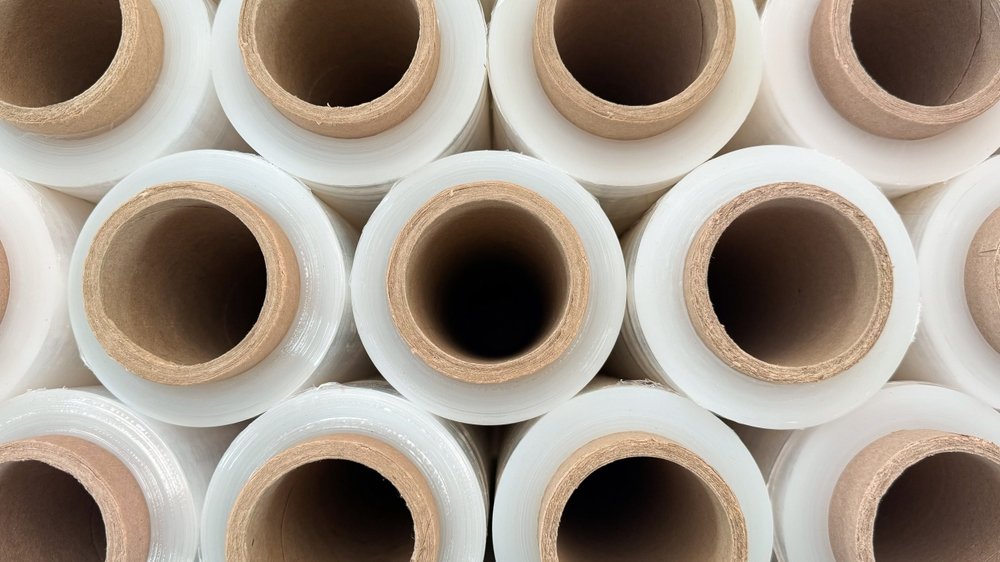
Key Uses of Stretch Film in the Aeronautical Industry
-
Secure aeronautical components on pallets
-
Prevent movement during storage and transportation
-
Protect surfaces from dust, moisture, and scratches
-
Maintain cleanliness of precision aircraft parts
-
Support safe logistics between suppliers, OEMs, and MRO facilities
Why Stretch Film Is Used in the Aeronautical Industry
The aeronautical industry handles products that are:
-
High-value and precision-engineered
-
Sensitive to contamination and surface damage
-
Large, irregularly shaped, or heavy
-
Transported frequently across global supply chains
-
Subject to strict safety and quality standards
Stretch Film is preferred because it is strong, flexible, lightweight, cost-effective, and easy to apply, making it ideal for aerospace manufacturing plants, warehouses, and maintenance facilities. Click Here To View Product.
Step-by-Step: How Stretch Film Works in the Aeronautical Industry
Step 1: Product Identification
Identify aircraft parts, assemblies, or equipment requiring protection—such as aerospace components, spare parts, tools, or sub-assemblies.
Step 2: Pallet or Load Preparation
Components are placed on pallets, crates, or skids and aligned properly to ensure load balance.
Step 3: Stretch Film Application
Stretch Film is wrapped tightly around the load manually or using automatic or semi-automatic wrapping machines.
Step 4: Load Stabilization
The film stretches and clings to itself, holding components firmly in place and preventing movement.
Step 5: Storage & Handling
Wrapped loads are safely stored in warehouses or moved within production and maintenance facilities.
Step 6: Transportation
Stretch Film ensures secure and contamination-free transport between aeronautical suppliers, OEMs, and MRO locations. Click Here To View Product.

Advantages of Stretch Film in the Aeronautical Industry
Load Stability & Protection
-
Prevents shifting and toppling during transport
-
Protects surfaces from scratches and abrasion
Cleanliness & Contamination Control
-
Shields components from dust, dirt, and moisture
-
Maintains cleanliness for sensitive aerospace parts
Operational Efficiency
-
Fast and easy to apply
-
Compatible with automated pallet wrapping systems
-
Improves handling efficiency and logistics safety
Cost & Material Efficiency
-
Lightweight packaging solution
-
Reduces need for bulky outer packaging
-
Cost-effective for high-volume logistics
Disadvantages of Stretch Film
-
Not impact-resistant on its own
-
Not biodegradable (but recyclable)
-
Requires proper wrapping technique for maximum effectiveness
However, these limitations are minimal when Stretch Film is used in combination with pallets, crates, or protective packaging materials. Click Here To View Product.
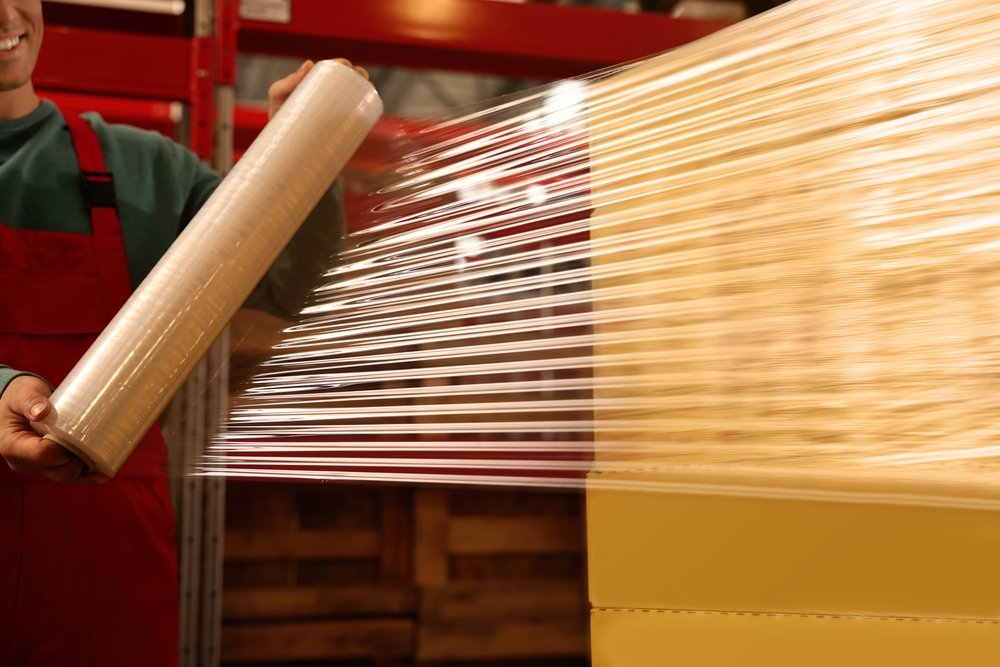
Products Best Suited for Stretch Film in the Aeronautical Industry
-
Aircraft structural components
-
Avionics housings and assemblies
-
Aerospace spare parts
-
Maintenance, repair & overhaul (MRO) equipment
-
Composite panels and sub-assemblies
-
Tools and industrial fixtures
Best Practices for Using Stretch Film in Aeronautical Applications
-
Use the correct film thickness and stretch ratio
-
Ensure loads are evenly stacked before wrapping
-
Avoid over-stretching to prevent tearing
-
Combine with edge protectors or foam for delicate parts
-
Store wrapped loads in clean, controlled environments Click Here To View Product.
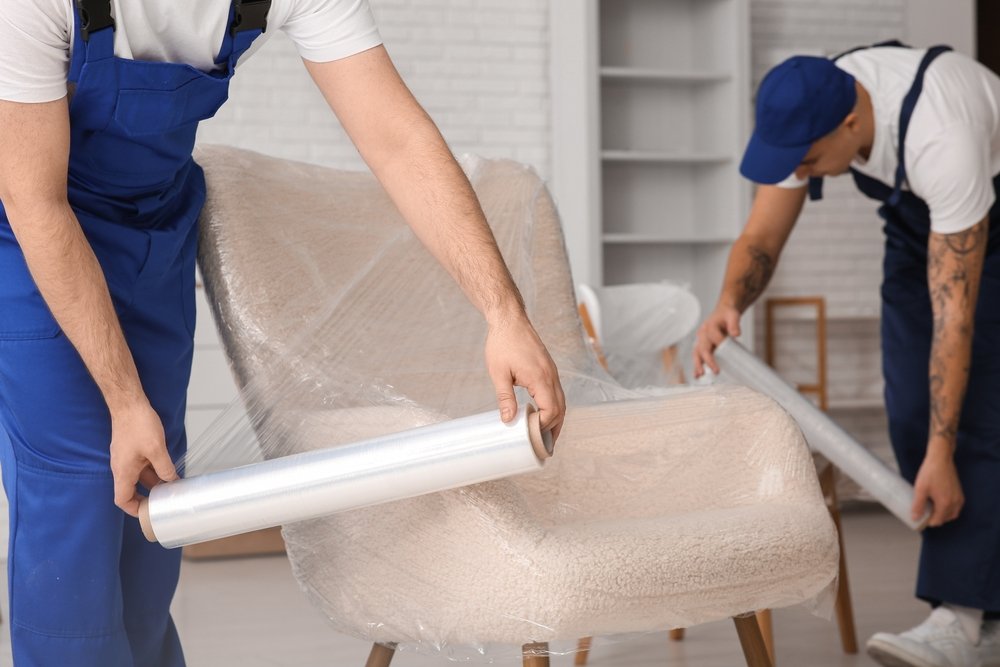
Summary: Why Stretch Film Matters in the Aeronautical Industry
In the aeronautical industry, where precision, cleanliness, and safety are critical, Stretch Film is an essential packaging solution for securing and protecting aircraft components throughout the supply chain.
Its ability to stabilize loads, prevent contamination, reduce damage, and improve logistics efficiency makes it indispensable for manufacturing plants, warehouses, and MRO operations. While Stretch Film does not replace protective cushioning, its cost-effectiveness, flexibility, and reliability make it a vital part of modern aeronautical packaging systems.