What Is Stretch Film Packaging in the Electronics Industry?
In the Electronics Industry, Stretch Film Packaging is widely used to secure, stabilize, and protect electronic products and packaging units during storage, handling, and transportation. It plays an important role in maintaining cleanliness, load stability, and surface protection across the electronics supply chain.
Electronic products such as PCBs, consumer electronics, accessories, control units, power supplies, and finished electronic devices are often packed in cartons and palletized. Stretch Film helps hold these cartons together, protecting them from dust, moisture, tampering, and movement-related damage during logistics operations. Click Here For More Product.
Key Uses of Stretch Film Packaging in Electronics
-
Secure palletized cartons containing electronic products
-
Prevent shifting and collapse during transportation
-
Protect packaging from dust, moisture, and dirt
-
Maintain clean and organized warehouse storage
-
Support safe handling between suppliers, factories, and distributors
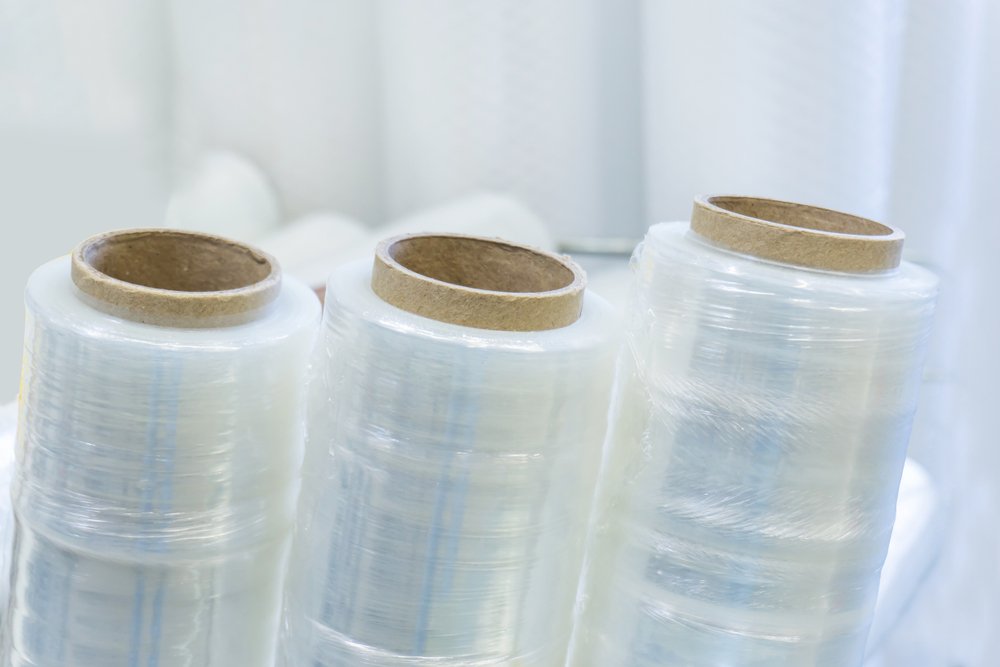
Why Stretch Film Is Used in the Electronics Industry
The electronics industry handles products that are:
-
High-value and fragile
-
Sensitive to moisture, dust, and contamination
-
Packed in cartons or ESD-safe boxes
-
Transported in high volumes across global supply chains
Stretch Film is preferred because it is lightweight, strong, flexible, cost-effective, and easy to apply, making it ideal for electronics manufacturing units, warehouses, and distribution centers. Click Here To View Product.
Step-by-Step: How Stretch Film Packaging Works in Electronics
Step 1: Product & Load Preparation
Electronic products are packed into cartons, ESD boxes, or protective packaging and stacked on pallets.
Step 2: Stretch Film Application
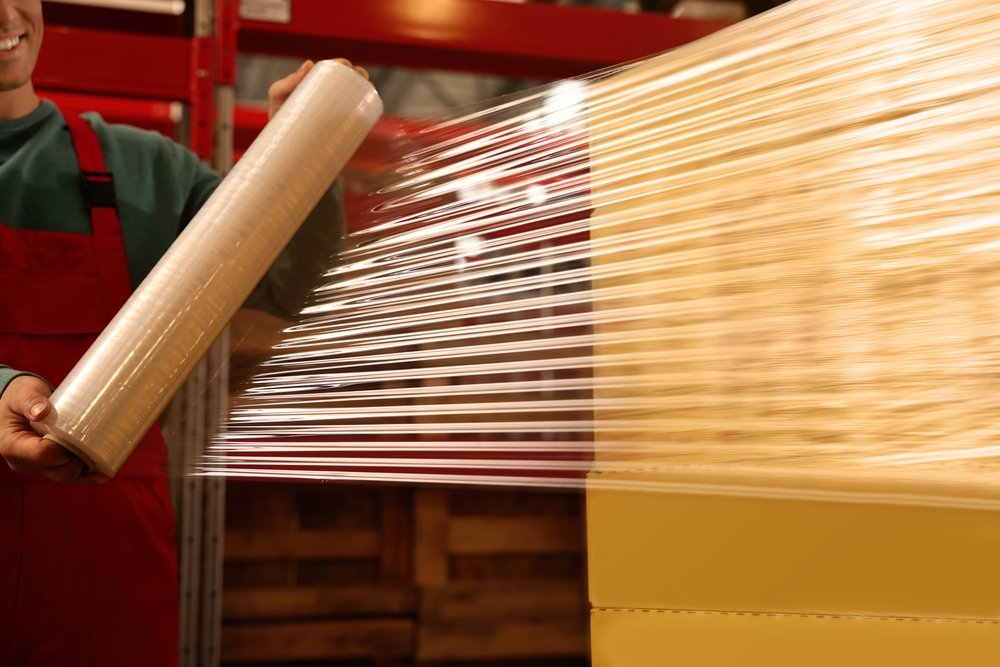
Stretch film is wrapped around the pallet manually or using automatic/semi-automatic pallet wrapping machines.
Step 3: Load Stabilization
The film stretches and clings to itself, tightly holding cartons together and preventing movement.
Step 4: Storage & Handling
Wrapped pallets are stored safely in warehouses or moved through internal logistics.
Step 5: Transportation
Stretch Film ensures stable, clean, and secure transport to distributors, retailers, or end users.
Click Here To View Product.
Advantages of Stretch Film Packaging in the Electronics Industry
Load Stability & Safety
-
Prevents shifting and toppling of cartons
-
Reduces damage during transit
Cleanliness & Moisture Protection
-
Protects packaging from dust and moisture
-
Helps maintain product integrity
Operational Efficiency
-
Fast application process
-
Compatible with automated wrapping systems
-
Improves warehouse handling efficiency
Cost Effectiveness
-
Lightweight and economical packaging solution
-
Reduces need for additional outer packaging
Disadvantages of Stretch Film Packaging
-
Does not provide cushioning or impact protection
-
Not biodegradable (but recyclable)
-
Requires proper wrapping technique for best performance
These limitations are minimal when Stretch Film is used alongside cartons, foam inserts, or ESD-safe packaging. Click Here To View Product.
Products Best Suited for Stretch Film Packaging in Electronics
-
Cartons containing electronic devices
-
PCBs packed in ESD-safe boxes
-
Consumer electronics and accessories
-
Power supplies and adapters
-
Control units and electronic sub-assemblies

Best Practices for Using Stretch Film in Electronics
-
Use the correct film thickness and stretch ratio
-
Ensure cartons are evenly stacked before wrapping
-
Avoid over-stretching the film
-
Combine with ESD-safe packaging for sensitive electronics
-
Store wrapped pallets in clean, controlled environments Click Here To View Product.
Summary: Why Stretch Film Packaging Matters in the Electronics Industry
In the electronics industry, where product integrity, cleanliness, and logistics efficiency are critical, Stretch Film Packaging plays a vital role in securing and protecting goods throughout the supply chain.
Its ability to stabilize loads, prevent contamination, reduce damage, and lower logistics costs makes it an essential packaging solution for electronics manufacturers, warehouses, and distributors. While it does not replace cushioning materials, its versatility, reliability, and cost-effectiveness make it indispensable in modern electronics logistics.