What Is the Purpose of PP Partition in the Agriculture Industry?
In the Agriculture Industry, the main purpose of PP (Polypropylene) partition packaging is to protect agricultural products, maintain quality, and ensure proper separation during harvesting, storage, transportation, and distribution.
Agricultural products such as fruits, vegetables, seedlings, saplings, agro-chemicals, and farm tools are sensitive to pressure, moisture, and movement. PP partitions help prevent crushing, mixing, and spoilage while improving organization. Click Here To Product Detail.
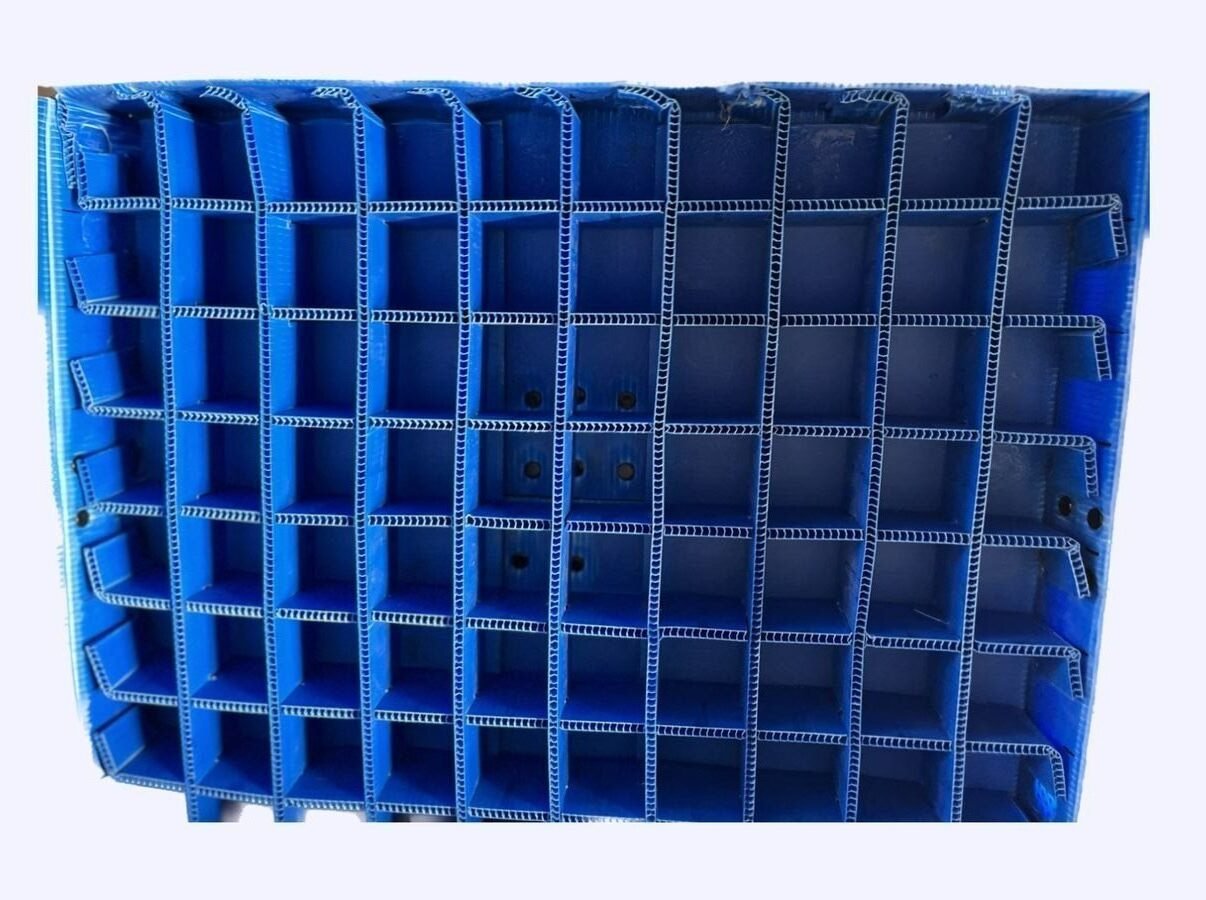
Key Purposes:
-
Prevent bruising and physical damage
-
Separate products to avoid mixing and contamination
-
Maintain freshness and product quality
-
Improve handling efficiency during transport
-
Reduce wastage and post-harvest losses Click Here To View Product.
Why PP Partition Is Used in the Agriculture Industry
The agriculture industry deals with products that are:
-
Fragile (fruits, vegetables, saplings)
-
Moisture-sensitive
-
Transported in bulk
-
Frequently handled and stacked
-
Seasonally reused packaging systems
PP partitions are used because they are lightweight, moisture-resistant, reusable, easy to clean, and strong, making them ideal for agricultural logistics and farm-to-market transportation.
Step-by-Step: How PP Partition Works in Agriculture Packaging
Step 1: Product Identification
Agricultural products such as fruits, vegetables, seed trays, bottles of agrochemicals, or farm tools are identified.
Step 2: Product Measurement
Product size, weight, and shape are measured to design suitable partition cells.
Step 3: Partition Design Selection
-
Soft-fit cells for fruits and vegetables
-
Standard grid for packaged agro-products
-
Reinforced cells for heavier farm tools or containers
Step 4: Placement Inside Box or Crate
The PP partition is placed inside plastic crates, corrugated boxes, or reusable agri bins.
Step 5: Product Loading
Each product is placed into a separate cell to prevent pressure damage and movement. Click Here To View Product.
Step 6: Transportation & Storage
Crates are stacked and transported safely to markets, cold storage, or processing units.
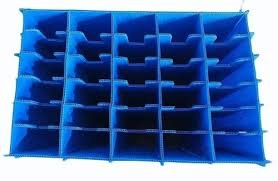
How to Install PP Partition in Agriculture Packaging (Step-by-Step)
PP partitions are simple to install and suitable for farm and warehouse environments.
Installation Steps:
-
Open the crate or box
-
Insert the pre-cut PP partition sheets
-
Interlock vertical and horizontal panels
-
Ensure firm and stable fitting
-
Check uniform cell alignment
-
Place agricultural products carefully
-
Close or stack the crate
✔ No glue or tools required
✔ Easy to remove, wash, and reuse Click Here To View Product.
Advantages of PP Partition Packaging in the Agriculture Industry
Protection & Quality
-
Prevents crushing and bruising
-
Maintains freshness and shape
-
Reduces spoilage during transport
Operational Efficiency
-
Faster loading and unloading
-
Organized storage and sorting
-
Improved market-ready presentation
Cost & Sustainability
-
Reusable across seasons
-
Reduces packaging replacement cost
-
Recyclable and eco-friendly
Performance
-
Moisture-resistant (ideal for fresh produce)
-
Chemical-resistant (for fertilizers and pesticides)
-
Lightweight and durable Click Here To View Product.
Disadvantages of PP Partition in Agriculture Packaging
-
Higher initial cost than cardboard dividers
-
Not biodegradable (but recyclable)
-
Can deform under extreme heat
-
Customization required for different crop sizes
-
Thick grade needed for heavy produce
Despite these points, long-term savings and reduced wastage outweigh the disadvantages.
Agriculture Products Best Suited for PP Partition Packaging
PP partitions are commonly used for:
-
Fruits (apples, mangoes, tomatoes, citrus)
-
Vegetables (capsicum, brinjal, cucumbers)
-
Seedlings and saplings
-
Packaged agrochemicals
-
Fertilizer bottles and containers
-
Agricultural tools and accessories Click Here To View Product.
Best Practices for Using PP Partitions in the Agriculture Industry
-
Use soft-fit partitions for fresh produce
-
Choose 3–5 mm thickness for most agri products
-
Clean partitions regularly to prevent contamination
-
Avoid over-stacking to reduce pressure damage
-
Use returnable crates for cost efficiency
-
Inspect partitions after repeated use Click Here To View Product.
Summary: Why PP Partition Matters in the Agriculture Industry
PP Partition packaging plays a vital role in the agriculture industry by protecting produce, reducing post-harvest losses, and improving handling efficiency. Its moisture resistance, reusability, and durability make it ideal for farm-to-market supply chains.
Although the initial investment is higher than disposable packaging, the long-term benefits—better product quality, reduced wastage, and sustainable operations—make PP partitions a smart choice for modern agricultural logistics.