Introduction
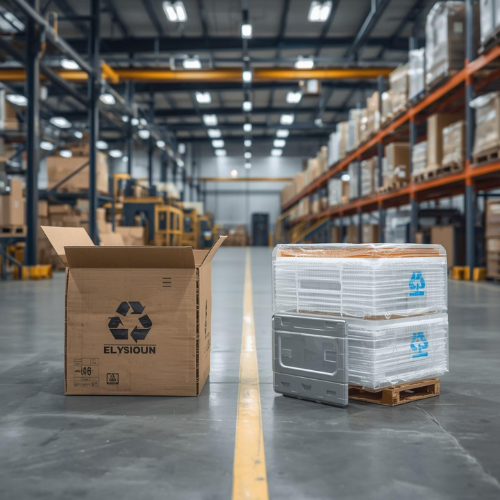
For decades, cardboard boxes were the primary packaging solution used in many industries. However, with the growing demand for durable and sustainable packaging, businesses are now exploring better alternatives.
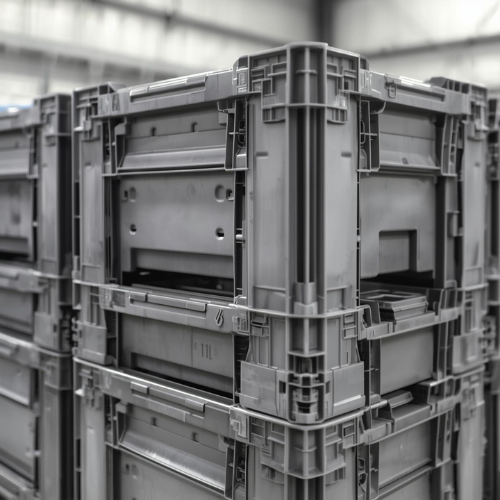
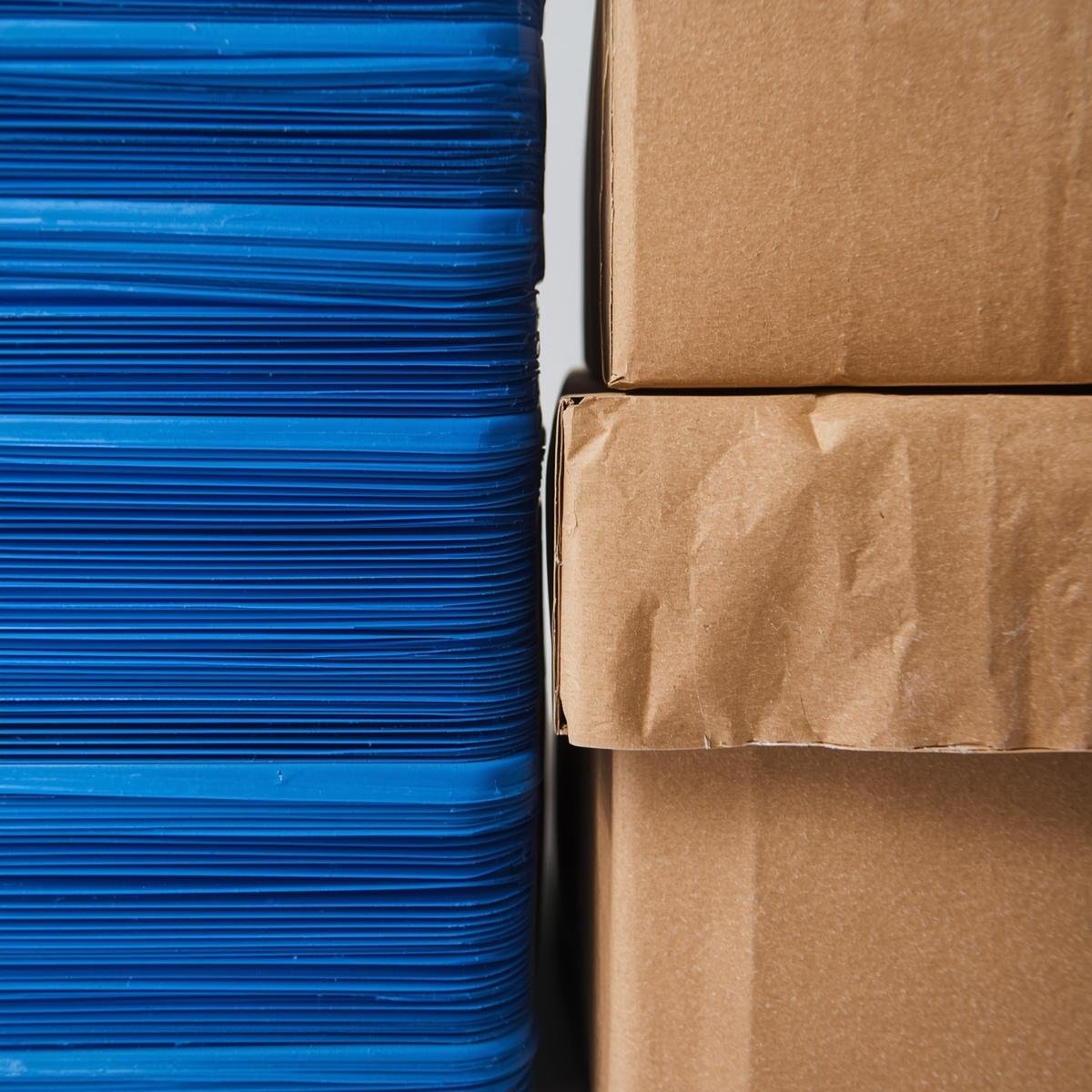
Twin-wall plastic boxes are emerging as one of the most effective replacements for traditional cardboard packaging. Click Here For More Product.
Limitations of Cardboard Packaging
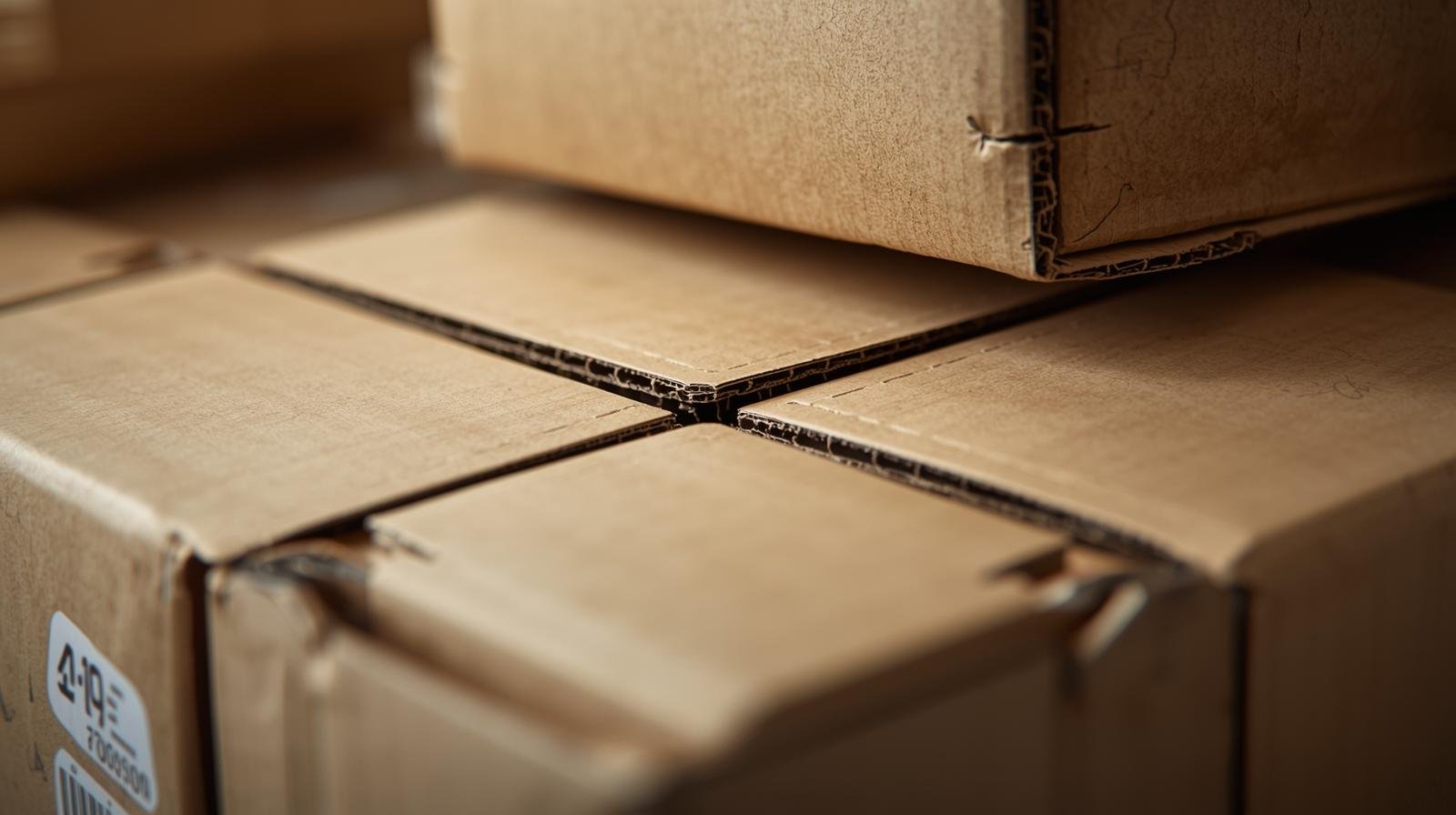
Although cardboard boxes are inexpensive, they have several disadvantages:
-
Easily damaged by moisture
-
Limited durability
-
Reduced strength under heavy loads
-
Short lifespan in industrial environments
These limitations often lead to product damage and higher packaging costs. Click Here To View Product.
How Twin-Wall Plastic Boxes Solve These Problems
Water Resistance
Twin-wall plastic boxes do not absorb water, making them ideal for cold storage and humid conditions.
Greater Durability
The strong polypropylene structure allows these boxes to withstand rough handling and heavy loads.
Reusable Packaging
Businesses can reuse twin-wall plastic boxes multiple times, reducing packaging waste and operational expenses.
Hygienic and Easy Maintenance
Unlike cardboard, twin-wall plastic boxes can be cleaned and sanitized easily. Click Here To View Product.
Increasing Demand Across Industries
Many industries are adopting twin-wall plastic boxes, including:
-
Automotive manufacturing
-
Electronics production
-
Agriculture supply chains
-
Pharmaceutical logistics
-
Warehouse and distribution centers
These industries require durable packaging solutions that ensure product safety and efficient logistics operations. Click Here To View Product.
Conclusion
Twin-wall plastic boxes represent the future of industrial packaging. Their durability, moisture resistance, and reusability make them a superior alternative to cardboard packaging. As industries continue to prioritize efficiency and sustainability, the use of twin-wall plastic packaging will continue to expand.