Purpose of PP Partition Packaging in the Automotive Industry
The main purpose of PP (Polypropylene) partition packaging in the automotive industry is to protect, separate, and organize vehicle components during storage, handling, and transportation. These partitions prevent parts from colliding with each other, reduce movement inside containers, and maintain product quality from supplier to assembly line. Click Here To Product Detail.
Why PP Partition Packaging Is Used in Automotive Industry
PP partition packaging is widely used in automotive applications because:
-
Automotive parts are precision-made and expensive
-
Components are often painted, electronic, oily, or fragile
-
Assembly lines require organized, fast-access packaging
-
Reusable packaging helps reduce operational and logistics costs
PP partitions meet all these needs while supporting lean manufacturing and returnable packaging systems. Click Here To View Product.
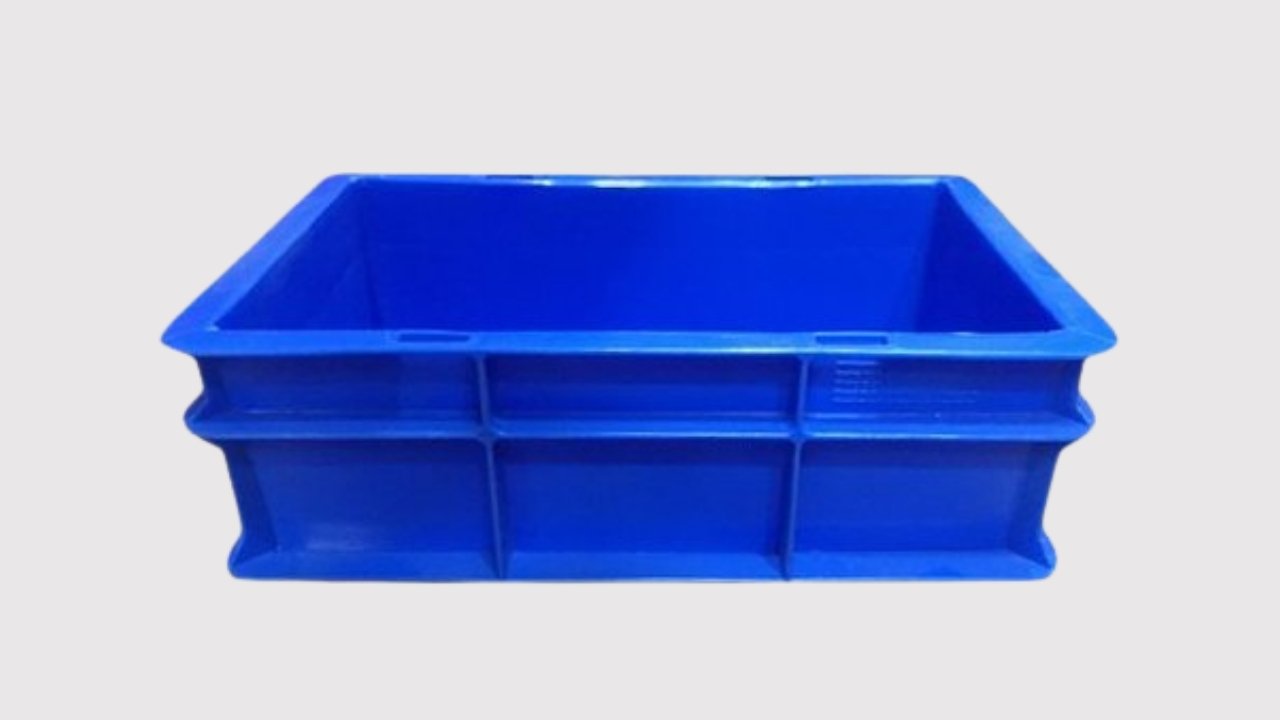
How PP Partition Packaging Is Used in Automotive Applications
PP partitions are used in several stages of automotive logistics:
-
Placed inside plastic crates, bins, or corrugated boxes
-
Components are arranged individually in partitioned cells
-
Used for inbound logistics from suppliers
-
Used for in-plant movement between workstations
-
Used for outbound shipping of finished or semi-finished parts
This ensures safe and organized movement throughout the supply chain. Click Here To View Product.
Advantages of PP Partition Packaging for Automotive Industry
-
Excellent protection against scratches and impact
-
Lightweight yet strong material
-
Resistant to oils, grease, and automotive chemicals
-
Reusable and long-lasting
-
Customizable for complex component shapes
-
Improves assembly line efficiency
-
Supports returnable packaging systems
-
Reduces product damage and rejection rates
-
Eco-friendly and recyclable Click Here To View Product.
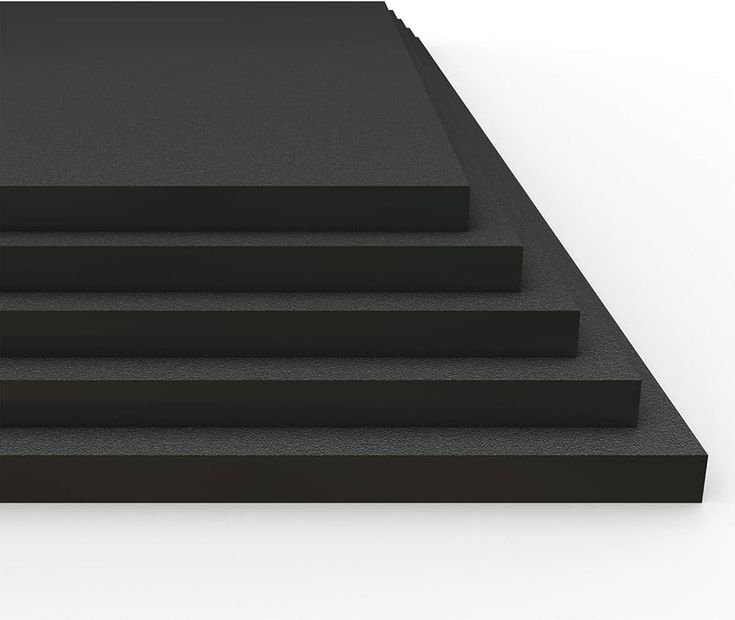
Disadvantages of PP Partition Packaging
-
Higher initial cost compared to cardboard dividers
-
Not biodegradable (though recyclable)
-
Can deform under extremely high temperatures
-
Requires proper design for heavy components
-
Initial customization takes time
Despite these limitations, long-term benefits outweigh the drawbacks. Click Here To View Product.
How to Set PP Partition Packaging (Installation & Setup)
Setting up PP partitions is simple and efficient:
-
Measure the automotive component (length, width, height)
-
Select appropriate PP thickness based on part weight
-
Design cell layout to avoid part-to-part contact
-
Insert partitions into the box or crate
-
Place components gently into each cell
-
Ensure partitions fit tightly and do not move
-
Stack containers safely for transport or storage
Proper setup ensures maximum protection and reusability.
Advanced Features of PP Partition Packaging
Modern PP partitions offer advanced benefits such as:
-
Anti-static PP for electronic automotive parts
-
Color-coded partitions for part identification
-
Foldable or collapsible designs for space saving
-
Reinforced rib structures for heavy components
-
Precision die-cut or thermo-formed designs
-
Smooth, washable surfaces for hygiene control Click Here To View Product.
Extra Details: Best Practices & Industry Tips
-
Use ESD-safe PP partitions for sensors and control modules
-
Choose thicker PP sheets for metal or heavy parts
-
Regularly clean partitions to extend life span
-
Inspect partitions after multiple reuse cycles
-
Standardize partition design for faster logistics
-
Combine PP partitions with returnable crates for cost savings Click Here To View Product.

Automotive Parts Best Suited for PP Partition Packaging
-
Gears, bearings, and shafts
-
Electronic control units (ECUs)
-
Sensors and wiring harnesses
-
Painted plastic components
-
Mirrors, lights, and trims
-
Fasteners and precision assemblies
Conclusion
PP Partition packaging plays a vital role in improving protection, efficiency, and sustainability in the automotive industry. Its ability to safely handle complex, sensitive, and high-value components makes it an indispensable packaging solution. With proper selection, setup, and reuse, PP partitions deliver long-term cost savings and operational excellence.