What Is the Use of Stretch Film in the Engineering Industry?
In the Engineering Industry, Stretch Film is widely used to secure, stabilize, and protect engineered components, machinery parts, and fabricated assemblies during storage, handling, and transportation. It ensures load stability while protecting products from dust, moisture, surface damage, and movement-related risks throughout the supply chain.
Engineering operations handle items such as machined parts, fabricated metal components, tools, control panels, motors, and industrial assemblies. Stretch Film provides a tight, flexible wrap that keeps products intact without adding excessive weight or bulk. Click Here For More Product.
Key Uses of Stretch Film in the Engineering Industry
-
Secure heavy and irregularly shaped engineering components
-
Stabilize palletized loads for internal and external transport
-
Protect metal and machined surfaces from dust and moisture
-
Bundle tools, fabricated parts, and sub-assemblies
-
Improve safety and efficiency in warehouses and workshops
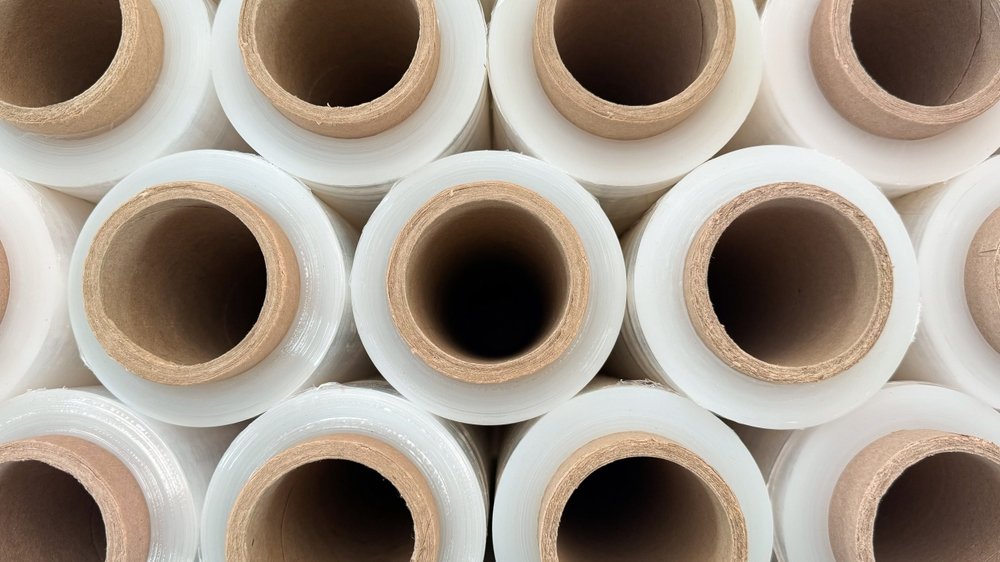
Why Stretch Film Is Used in the Engineering Industry
Engineering products are often:
-
Heavy, bulky, or irregular in shape
-
High-value and precision-manufactured
-
Sensitive to surface damage and contamination
-
Transported multiple times between facilities
Stretch Film is preferred because it is strong, elastic, lightweight, cost-effective, and easy to apply, making it ideal for engineering workshops, manufacturing plants, and logistics operations. Click Here To View Product.
Step-by-Step: How Stretch Film Works in the Engineering Industry
Step 1: Load Preparation
Engineering parts or assemblies are placed on pallets, skids, or crates and aligned properly.
Step 2: Stretch Film Application
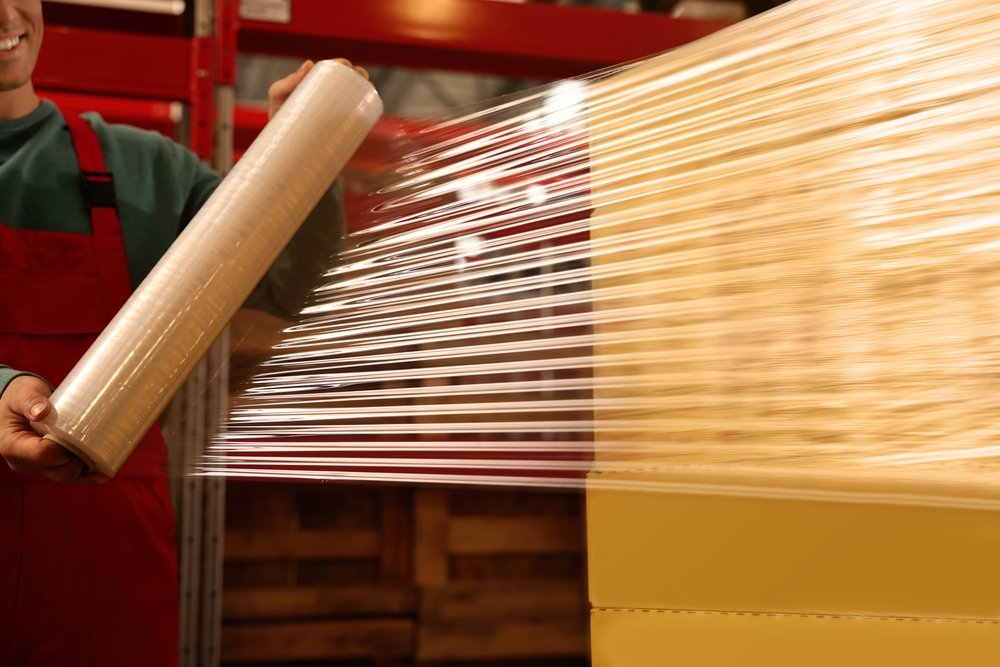
Stretch film is wrapped around the load manually or using pallet-wrapping machines.
Step 3: Load Stabilization
The film stretches and clings to itself, holding parts firmly together and preventing movement.
Step 4: Storage & Handling
Wrapped loads are safely stored in warehouses or moved within production areas.
Step 5: Transportation
Stretch Film ensures stable and protected transport between suppliers, factories, and customer sites.
Click Here To View Product.
Advantages of Stretch Film in the Engineering Industry
Load Stability & Safety
-
Prevents shifting, tipping, and collapse
-
Improves handling safety during transport
Surface Protection
-
Shields components from dust, moisture, and light scratches
-
Helps prevent corrosion when combined with protective materials
Operational Efficiency
-
Fast and easy application
-
Compatible with automated wrapping systems
-
Reduces packaging time and labor
Cost Efficiency
-
Lightweight and economical
-
Reduces the need for bulky outer packaging
Disadvantages of Stretch Film
-
Does not provide impact cushioning on its own
-
Not biodegradable (but recyclable)
-
Requires correct wrapping technique for maximum effectiveness
These limitations are easily addressed by combining stretch film with foam, corrugated boxes, wooden crates, or edge protectors. Click Here To View Product.
Products Best Suited for Stretch Film in the Engineering Industry
-
Machined and fabricated metal parts
-
Industrial tools and equipment
-
Motors and mechanical assemblies
-
Control panels and enclosures
-
Engineering sub-assemblies and spare parts
Best Practices for Using Stretch Film in Engineering
-
Choose the correct film thickness based on load weight
-
Ensure even stacking before wrapping
-
Avoid over-stretching to prevent tearing
-
Use corner protectors for sharp edges
-
Store wrapped loads in clean, dry environments Click Here To View Product.
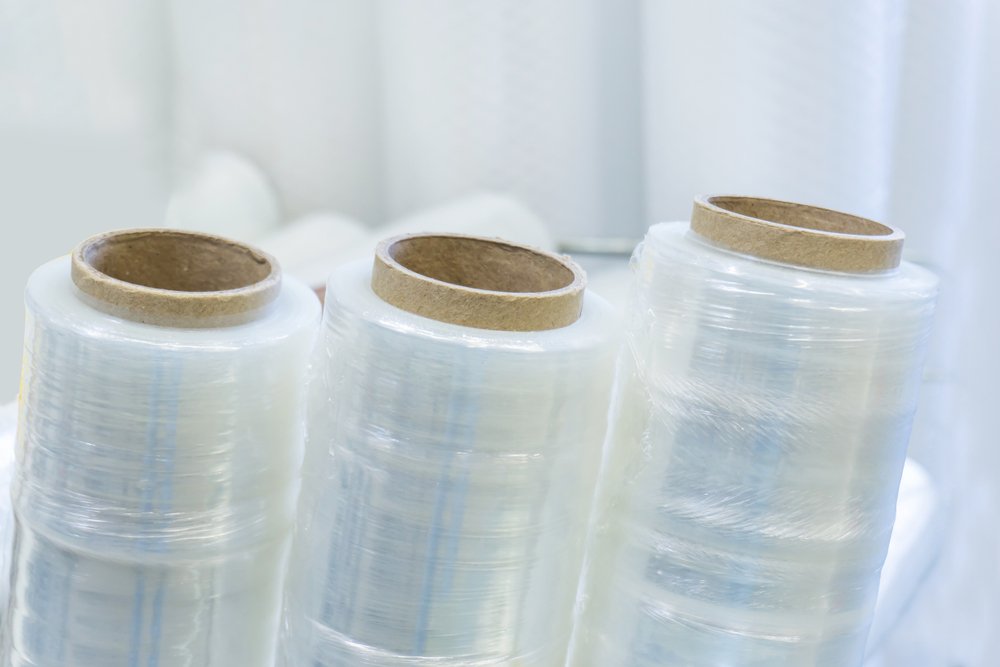
Summary: Why Stretch Film Matters in the Engineering Industry
In the engineering industry, where components are heavy, precise, and high-value, Stretch Film plays a vital role in securing loads, protecting surfaces, and improving logistics efficiency.
Its ability to stabilize irregular loads, reduce handling damage, and lower packaging costs makes it an essential packaging solution for engineering manufacturers, warehouses, and logistics providers. While stretch film does not replace protective cushioning, its strength, flexibility, and reliability make it a core element of modern engineering packaging systems.