Key Applications of Plastic Pallets in the Food & Beverage Industry
Hygienic Storage & Cleanability
Plastic pallets are easy to sanitize and do not absorb liquids or harbor pests, reducing cross-contamination risk in production and warehouse environments. Their smooth decks and closed-bottom designs simplify washdowns and cleaning protocols. Click Here To View Product.
Cold-Chain & Refrigerated Logistics
Plastic pallets resist moisture and temperature cycling, performing reliably in refrigerated and frozen warehouses and transport. They don’t warp or rot like some wood pallets, helping maintain load integrity in the cold chain. Click Here To View Product.
Safe Handling of Fragile Containers
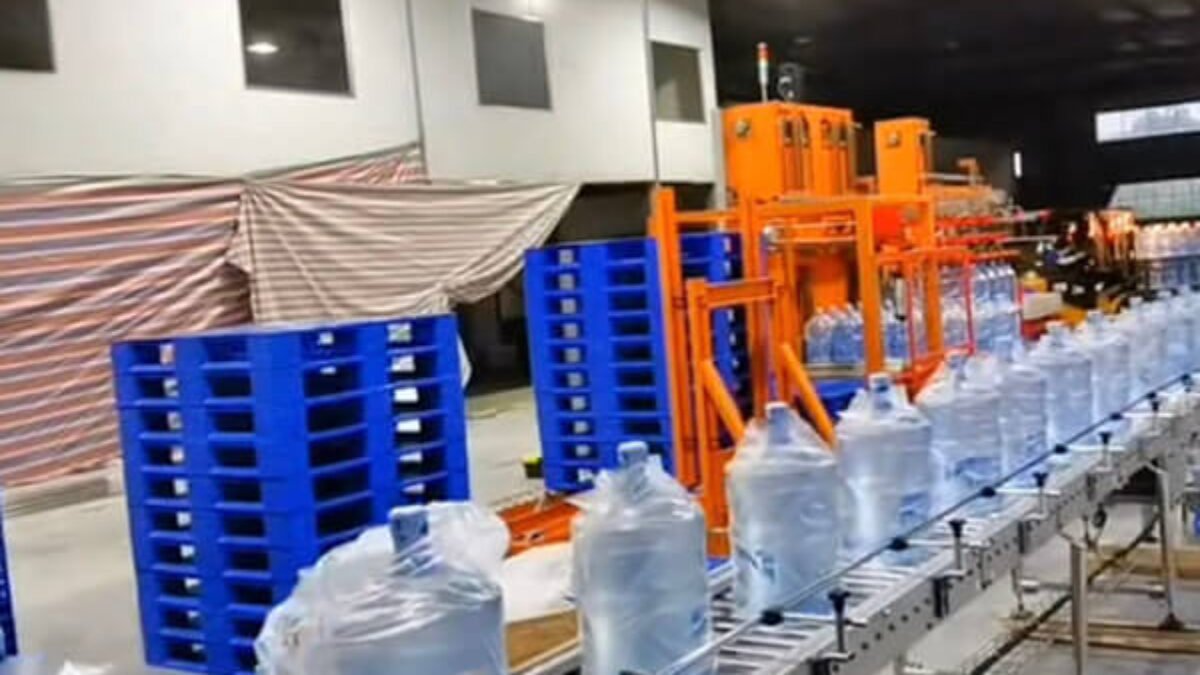
Anti-slip surfaces, perimeter lips, and deck patterning help secure crates of glass bottles, cans, and cartons—reducing breakage and spillage during handling and transit. Combined with stretch film or straps, plastic pallets improve pallet stability.
Food-Grade & Regulatory Compliance
Available in food-grade polymers and smooth hygienic designs, plastic pallets support HACCP and other food-safety programs. They are compatible with traceability systems and can be color-coded or molded with IDs to meet regulatory and operational needs.
Moisture & Chemical Resistance
Non-absorbent plastics protect packaged food from moisture and accidental chemical residues, preserving product quality during storage and transport. This is especially important for bulk ingredients and packaged goods.
Returnable Packaging & Pooling Programs
Nestable and stackable plastic pallets reduce empty-trip costs and yard space for returnable pallet pools used by distributors and retailers—improving sustainability and logistics efficiency across the supply chain. Click Here To View Product.
Significance of Plastic Pallet Packaging in Food & Beverage Operations
Plastic pallets are essential to modern food and beverage logistics because they combine hygiene, durability, and consistent handling performance. Their resistance to moisture and microbial growth lowers contamination risk; their cleanability helps meet strict sanitation schedules; and their dimensional accuracy improves throughput in automated lines. By reducing product damage, simplifying washdown procedures, and supporting returnable/pooling systems, plastic pallets help food businesses lower costs while meeting quality and safety standards. KRC Packaging supplies food-grade, washdown-ready, rackable, and nestable plastic pallet solutions engineered for high-hygiene food environments. Click Here To View Product.
Conclusion: Strengthening Food & Beverage Supply Chains with Plastic Pallets
In summary, plastic pallets deliver a hygienic, reliable, and efficient platform for moving food and beverage goods from production to shelf. Their cleanability, moisture resistance, and load-securing features protect product quality and reduce waste, while their long service life supports sustainable operations. When paired with good handling practices and traceability, plastic pallets are a strategic asset for food processors, cold-chain operators, distributors, and retailers. KRC Packaging offers tailored plastic pallet systems designed to meet the safety, regulatory, and handling demands of the food and beverage industry.