Importance of Choosing the Correct PP Partition – Step by Step
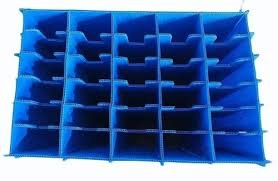
Choosing the correct PP (Polypropylene) partition is a critical step in packaging. It directly affects product safety, cost efficiency, and handling performance. Below is a clear step-by-step explanation of why it is important. Click Here To Product Detail.
Step 1: Understand the Product Type
The first step is identifying the type of product being packed. Fragile, electronic, chemical, or FMCG products all have different protection requirements. Selecting the wrong PP partition material can lead to scratches, breakage, or contamination.
Step 2: Analyze Product Size and Shape
Each product has unique dimensions. If the PP partition cell size is too large, products will move inside the box. If it is too tight, products may get damaged during insertion or removal. Correct sizing ensures a snug and secure fit.
Step 3: Consider Product Weight
Product weight determines the thickness and strength required for the PP partition. Lightweight products can use thinner partitions, while heavier items need thicker PP with reinforced support. Incorrect thickness can cause bending or collapse during transport.
Step 4: Evaluate Product Sensitivity
Sensitive products like glass, medical items, or electronics require special PP partitions such as soft-edge, hygienic, or anti-static designs. Ignoring sensitivity can result in cracks, contamination, or electrical damage. Click Here To View Product.
Step 5: Ensure Protection During Transportation
During transit, products face vibration, shocks, and stacking pressure. A properly chosen PP partition minimizes movement and absorbs impact, reducing the risk of damage throughout the logistics process.
Step 6: Improve Packing and Handling Efficiency
Correct PP partitions make packing and unpacking faster and easier. Organized compartments reduce handling time, minimize errors, and improve warehouse efficiency.
Step 7: Reduce Product Damage and Return Costs
Damaged products lead to returns, replacements, and customer dissatisfaction. Choosing the right PP partition significantly lowers damage rates and protects brand reputation.
Step 8: Increase Reusability and Cost Efficiency
A well-selected PP partition lasts longer and can be reused multiple times. This reduces repeated packaging costs and provides better return on investment compared to disposable dividers.
Step 9: Support Hygiene and Safety Standards
For industries like pharmaceuticals and food packaging, choosing the correct PP material ensures compliance with hygiene and safety standards. PP partitions are easy to clean and resistant to moisture and chemicals. Click Here To View Product.
Step 10: Contribute to Sustainable Packaging
Reusable PP partitions help reduce packaging waste. Choosing the right design increases life span and supports eco-friendly supply chain practices.
Final Note
Choosing the correct PP partition is not just about separating products—it is about ensuring safety, efficiency, durability, and cost savings throughout the entire packaging and logistics process.