What Is the Purpose of ESD Anti-Static Boxes in the Engineering Industry?
In the Engineering Industry, the primary purpose of ESD Anti-Static Boxes is to protect sensitive engineering electronic and electrical components from electrostatic discharge (ESD), physical damage, dust, moisture, and contamination during manufacturing, assembly, storage, and transportation.
Modern engineering applications rely heavily on electronics such as control units, PCBs, sensors, actuators, motor controllers, automation modules, measurement instruments, and robotics electronics. Even a small static discharge can cause latent defects, equipment malfunction, or system failure, potentially leading to costly delays and reduced productivity.
ESD Anti-Static Boxes are designed to safely dissipate static electricity, ensuring component reliability, system performance, and long-term durability throughout the engineering production and maintenance cycle. Click Here For More Product.
Key Purposes
-
Prevent electrostatic discharge (ESD) damage
-
Protect sensitive engineering electronic components
-
Maintain system performance and reliability
-
Reduce rework, repair costs, and scrap
-
Enable safe handling, storage, and transportation
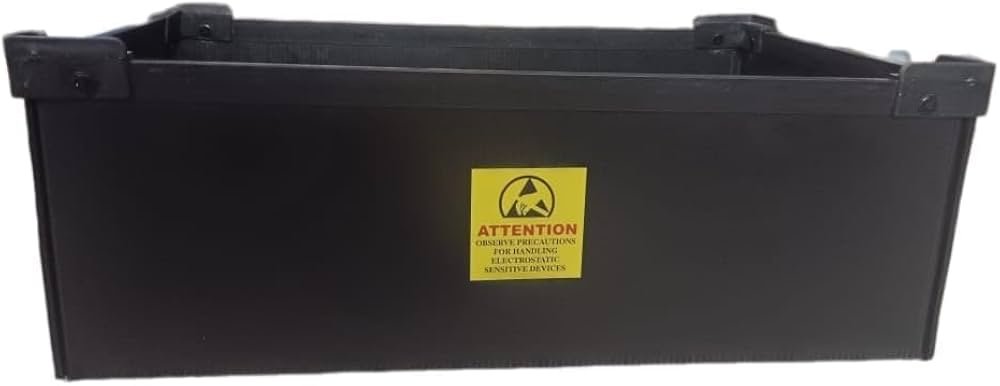
Why ESD Anti-Static Boxes Are Used in the Engineering Industry
The engineering industry handles components that are:
-
Highly ESD-sensitive
-
High-value and precision-engineered
-
Used in automation, robotics, and industrial machinery
-
Exposed to dust, oil, and vibration
-
Produced in high volumes with repeated handling
ESD Anti-Static Boxes are widely preferred because they are static-dissipative or conductive, durable, reusable, lightweight, and compatible with engineering workshops, assembly lines, cleanrooms, logistics facilities, and automation systems. Click Here To View Product.
Step-by-Step: How ESD Anti-Static Boxes Work
Step 1: Component Identification
Engineering components such as control units, PCBs, sensors, actuators, motor drivers, robotics modules, and electronic sub-assemblies are identified as ESD-sensitive.
Step 2: ESD-Safe Box Selection
The appropriate ESD box size and material grade (conductive or static-dissipative) is selected based on component sensitivity and engineering application requirements.
Step 3: Static Control Mechanism
The ESD box safely dissipates static charges, preventing sudden discharge that could damage sensitive engineering electronics.
Step 4: Product Placement
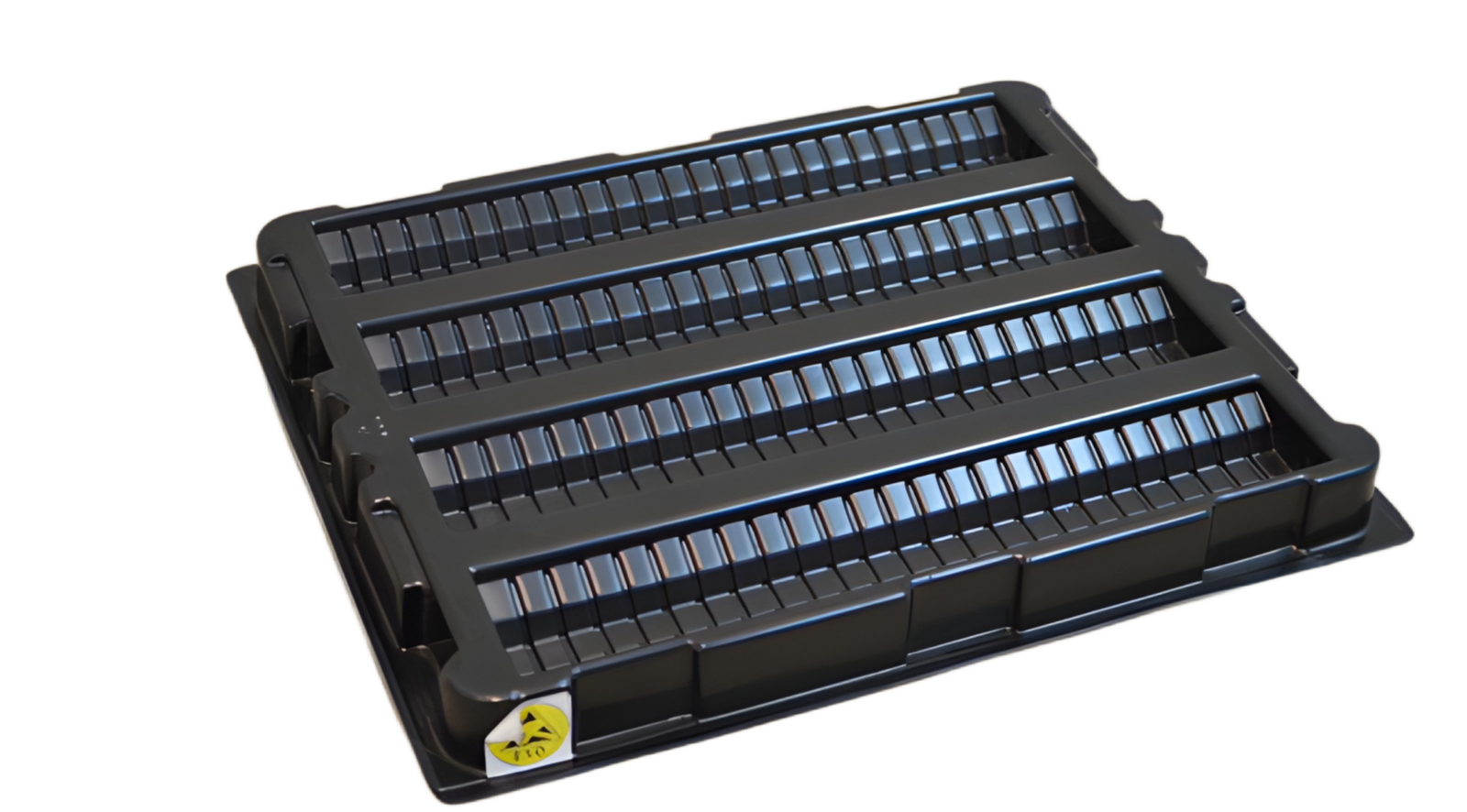
Components are placed inside the box using ESD trays, partitions, foam inserts, or cushioning for protection against shock, vibration, and environmental contamination.
Step 5: Safe Handling & Storage
Boxes are stacked, stored, or moved safely within engineering production units, quality labs, warehouses, and supplier facilities.
Step 6: Transportation
ESD Anti-Static Boxes ensure static-safe transport between component suppliers, engineering plants, and maintenance or assembly locations. Click Here To View Product.
How to Use and Install ESD Anti-Static Boxes (Step-by-Step)
ESD Anti-Static Boxes are easy to use and require no special tools or installation.
Installation & Usage Steps
-
Open or assemble the ESD box
-
Ensure the box is clean and undamaged
-
Insert ESD partitions or cushioning if required
-
Place engineering components carefully inside
-
Close the box securely
-
Handle only in ESD-controlled areas
✔ No glue or fasteners required
✔ Compatible with ESD flooring, racks, and workstations
✔ Easy to clean and reuse Click Here To View Product.
Advantages of ESD Anti-Static Boxes in the Engineering Industry
ESD Protection
-
Prevents static buildup and discharge
-
Protects sensitive engineering electronics
-
Reduces hidden and latent failures
Operational Efficiency
-
Organized component storage
-
Faster assembly and maintenance processes
-
Reduced handling and installation errors
Cost & Sustainability
-
Reusable for multiple cycles
-
Reduces scrap, rework, and repair costs
-
Long service life
Performance Benefits
-
Lightweight yet strong construction
-
Resistant to dust, moisture, oil, and industrial fluids
-
Compatible with automation, conveyors, and robotic handling
Disadvantages of ESD Anti-Static Boxes
-
Higher initial cost than standard plastic boxes
-
Not biodegradable (but recyclable)
-
Requires strict ESD handling procedures
-
Conductive grades may not suit all engineering components
However, these limitations are minimal compared to the cost of component failures, equipment downtime, and operational delays. Click Here To View Product.
Products Best Suited for ESD Anti-Static Boxes
ESD Anti-Static Boxes are commonly used for:
-
Industrial control units
-
Printed Circuit Boards (PCBs)
-
Sensors and actuators
-
Motor drivers and robotics modules
-
Automation and instrumentation electronics
-
Engineering sub-assemblies and electronic components
Best Practices for Using ESD Anti-Static Boxes
-
Select the correct ESD grade (conductive or dissipative)
-
Use ESD trays, foam, or partitions
-
Ensure operators and workstations are grounded
-
Clean boxes regularly to maintain ESD properties
-
Inspect boxes for cracks, wear, or contamination
-
Use only within ESD-protected or controlled areas Click Here To View Product.
Summary: Why ESD Anti-Static Boxes Matter in the Engineering Industry
In the engineering industry, where electronics control automation, robotics, instrumentation, and industrial machinery, ESD Anti-Static Boxes are essential for protecting sensitive components throughout the supply chain. They improve handling efficiency, reduce failures, and support high-quality engineering operations.
Although the initial investment is higher than conventional packaging, the long-term benefits—lower failure rates, improved equipment reliability, reduced downtime, and extended product life—make ESD Anti-Static Boxes a critical solution for modern engineering production.