What Is the Purpose of PP Partition in the Pharmaceutical Industry?
In the Pharmaceutical Industry, the main purpose of PP (Polypropylene) partition packaging is to protect medical products, maintain hygiene, and ensure safe separation during storage, transportation, and distribution.
Pharmaceutical products such as vials, bottles, ampoules, and medical devices are highly sensitive and must meet strict safety and cleanliness standards. PP partitions prevent direct contact, breakage, contamination, and movement during transit. Click Here To Product Detail.
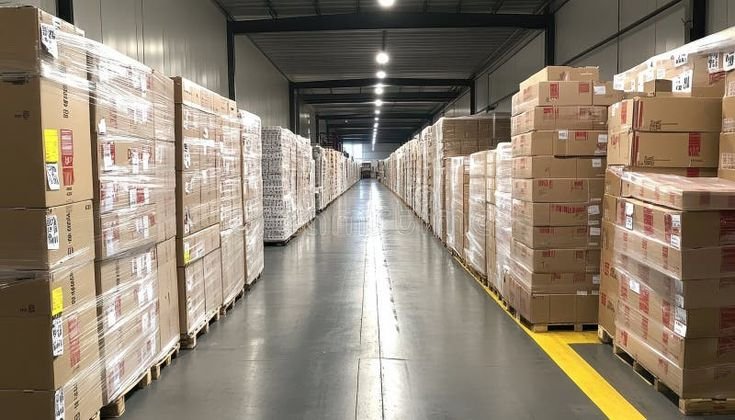
Key Purposes:
-
Prevent breakage of vials, bottles, and ampoules
-
Maintain hygiene and product integrity
-
Keep products upright and well-organized
-
Reduce contamination risks
-
Minimize product rejection and wastage
Why PP Partition Is Used in the Pharmaceutical Industry
The pharmaceutical industry handles products that are:
-
Fragile (glass vials, ampoules)
-
Hygiene-sensitive
-
Chemically reactive
-
High-value and regulated
-
Transported in bulk and repeatedly
PP partitions are preferred because they are non-toxic, moisture-resistant, chemical-resistant, easy to clean, and reusable, making them ideal for pharmaceutical packaging and returnable systems. Click Here To View Product.
Step-by-Step: How PP Partition Works in Pharmaceutical Packaging
Step 1: Product Identification
The pharmaceutical product type is identified—such as tablets bottles, liquid medicine bottles, vials, ampoules, or syringes.
Step 2: Product Measurement
Exact product dimensions (height, diameter, width) are measured to design accurate partition cells.
Step 3: Partition Design Selection
Based on product type:
-
Tight-fit cells for vials and ampoules
-
Standard grid for medicine bottles
-
Reinforced cells for heavier liquid containers
Step 4: Placement Inside Box or Crate
The PP partition is placed inside cartons, plastic crates, or pharma-grade containers, dividing them into uniform compartments.
Step 5: Product Loading
Each pharmaceutical product is placed into an individual cell to avoid contact and maintain stability. Click Here To View Product.
Step 6: Sealing & Transportation
The box is sealed and transported under controlled conditions to distributors, hospitals, or pharmacies.
How to Install PP Partition in Pharmaceutical Packaging (Step-by-Step)
PP partitions are easy to install and suitable for clean environments.
Installation Steps:
-
Open the pharma-grade carton or crate
-
Insert the pre-slotted PP partition
-
Interlock vertical and horizontal sheets
-
Ensure partitions fit tightly inside
-
Check that all cells are stable and aligned
-
Place pharmaceutical products carefully
-
Close and seal the box
✔ No glue or fasteners required
✔ Easy to remove, clean, and reuse Click Here To View Product.

Advantages of PP Partition Packaging in the Pharmaceutical Industry
Protection & Hygiene
-
Prevents glass breakage
-
Maintains cleanliness and product integrity
-
Easy to wash and disinfect
Operational Efficiency
-
Faster packing and unpacking
-
Organized storage and easy identification
-
Supports smooth distribution workflows
Cost & Sustainability
-
Reusable for multiple cycles
-
Reduces packaging replacement cost
-
Recyclable and eco-friendly
Performance
-
Moisture-resistant
-
Chemical-resistant
-
Lightweight and durable Click Here To View Product.
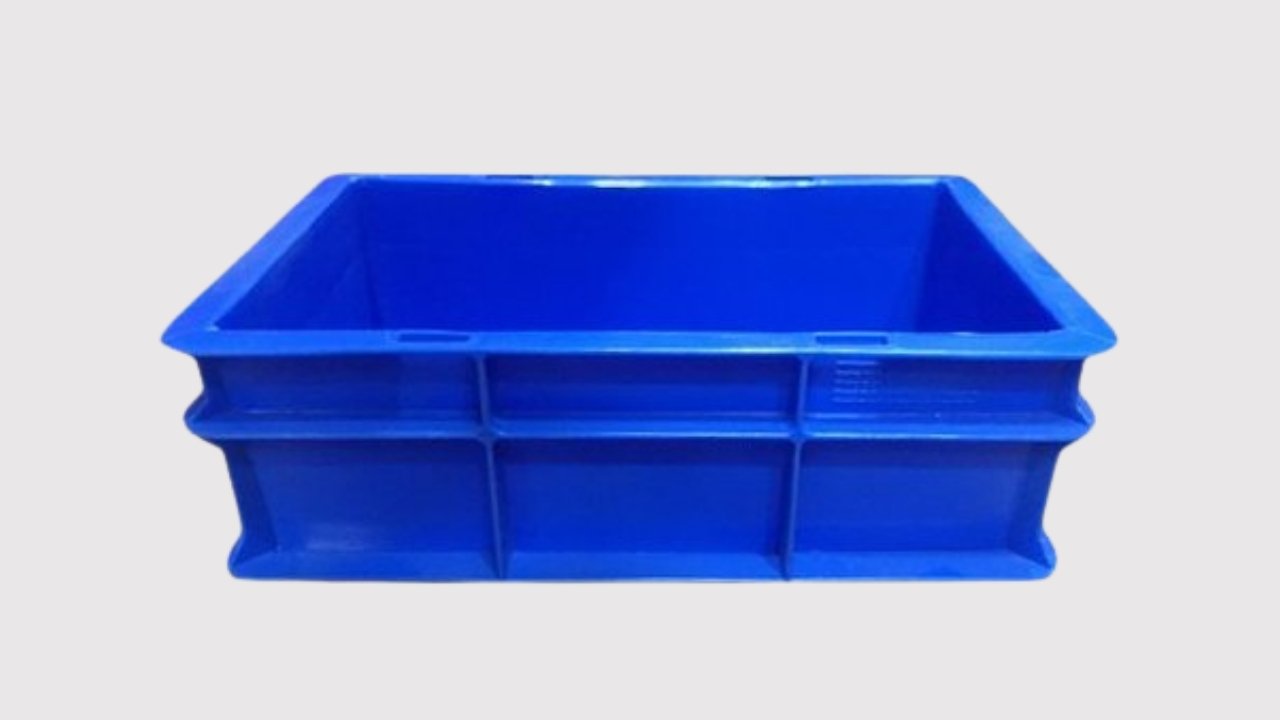
Disadvantages of PP Partition in Pharmaceutical Packaging
-
Higher initial cost than cardboard dividers
-
Not biodegradable (though recyclable)
-
Requires proper cleaning protocols
-
Can deform under very high temperatures
-
Customization needed for specific products
However, these limitations are minimal compared to safety and compliance benefits.
Pharmaceutical Products Best Suited for PP Partition Packaging
PP partitions are commonly used for:
-
Glass vials and ampoules
-
Liquid medicine bottles
-
Syringes and injectables
-
Diagnostic kits
-
Medical devices and instruments
-
Nutraceutical and health supplement bottles Click Here To View Product.
Best Practices for Using PP Partitions in the Pharmaceutical Industry
-
Use medical-grade PP material
-
Clean and sanitize partitions regularly
-
Use tight-fit cells for glass products
-
Choose correct PP thickness (3–5 mm recommended)
-
Store partitions in clean environments
-
Inspect partitions after repeated reuse Click Here To View Product.
Summary: Why PP Partition Matters in the Pharmaceutical Industry
PP Partition packaging plays a critical role in the pharmaceutical industry by ensuring product safety, hygiene, and regulatory compliance. Its durability, cleanliness, and reusability make it ideal for protecting sensitive medical products throughout the supply chain.
Although the initial investment is higher than disposable packaging, the long-term cost savings, reduced wastage, and improved safety make PP partitions a smart and sustainable choice for pharmaceutical operations.