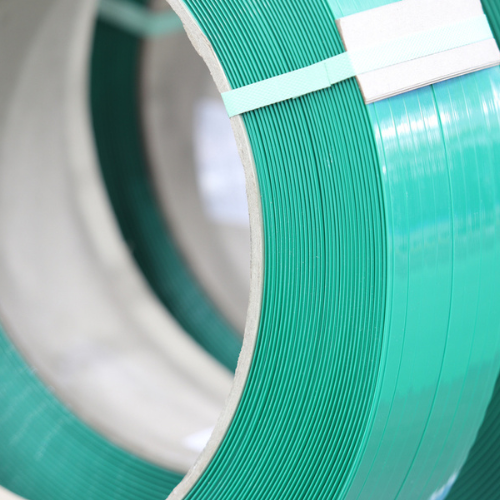
What Is the Role of PET Strap Packaging in Automotive Industry Packaging?
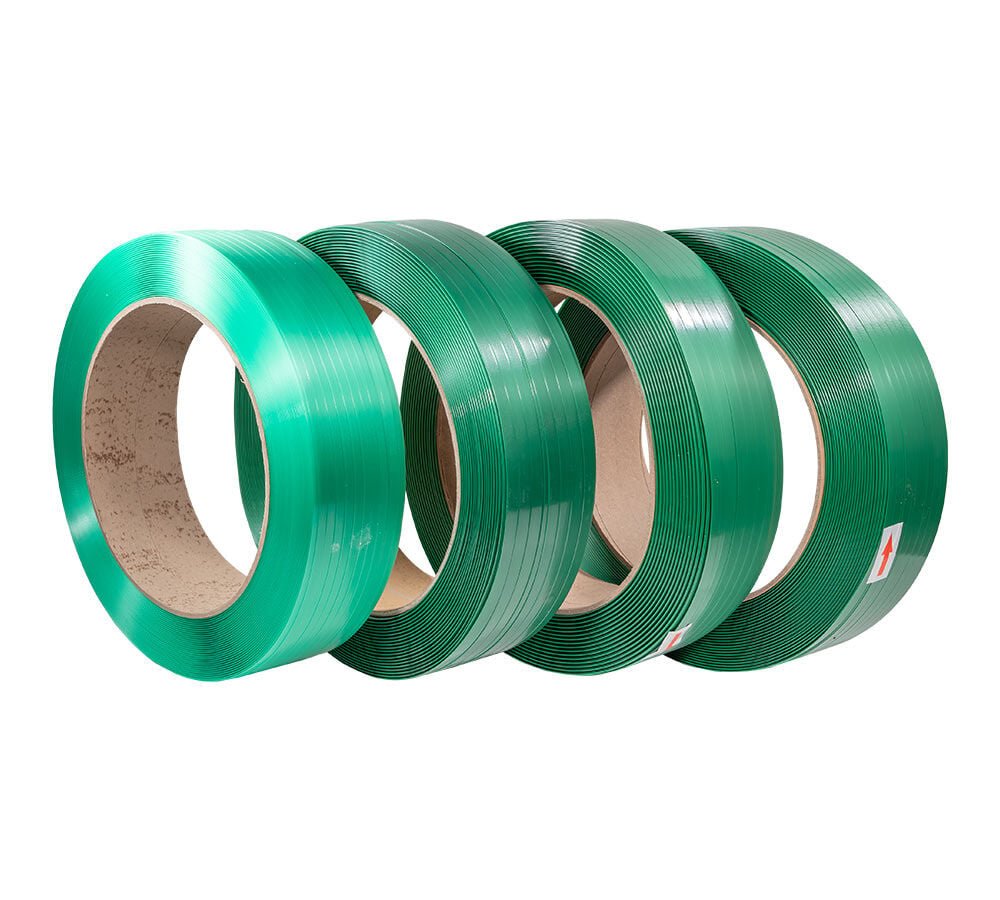
In Automotive Industry Packaging, PET Strap Packaging is used to secure, bundle, and stabilize automotive components and assemblies during manufacturing, warehousing, and transportation. It ensures load stability, prevents component movement, and protects parts from damage caused by vibration, impact, and repeated handling.
The automotive industry deals with engine parts, transmission components, body panels, electrical assemblies, EV components, and aftermarket parts. PET straps provide high tensile strength, flexibility, and shock absorption, making them a safer and more efficient alternative to steel strapping. Click Here For More Product.
Key Purposes of PET Strap Packaging in the Automotive Industry
-
Secure heavy and high-value automotive components
-
Stabilize palletized and crate-packed auto parts
-
Prevent load shifting during road, rail, or sea transport
-
Bundle metal, plastic, and rubber automotive parts
-
Improve safety in handling and logistics operations
Why PET Strap Packaging Is Used in Automotive Industry Packaging
The automotive industry handles products that are:
-
Heavy-duty and high-volume
-
Precision-engineered and high-value
-
Frequently moved across production lines and suppliers
-
Shipped globally with multiple handling points
-
Subject to vibration, impact, and strict quality standards
PET Strap Packaging is preferred because it is strong, lightweight, corrosion-resistant, flexible, and safer than steel straps, making it ideal for automotive OEMs, Tier-1/Tier-2 suppliers, warehouses, and export packaging operations. Click Here To View Product.
Step-by-Step: How PET Strap Packaging Works in Automotive Applications
Step 1: Component Preparation
Automotive parts or assemblies are placed on pallets, skids, or inside crates and aligned properly.
Step 2: Strap Selection
The correct PET strap width and thickness are selected based on load weight, size, and transport conditions.
Step 3: Tensioning
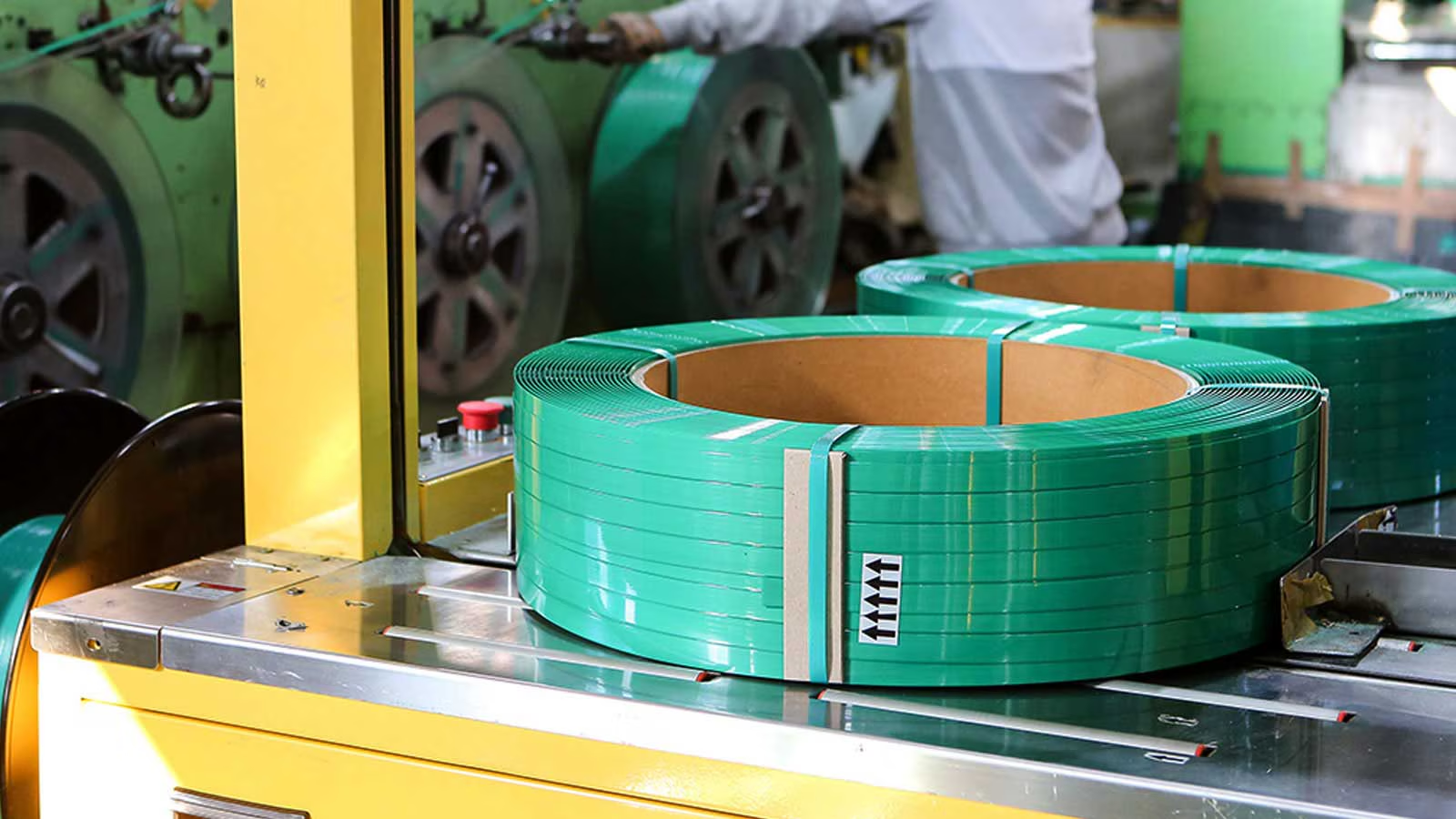
PET straps are tensioned using manual, pneumatic, or automatic strapping machines for optimal load stability.
Step 4: Sealing
Straps are sealed using heat-weld sealing, ensuring strong and consistent joint strength.
Step 5: Storage & Transportation
Strapped automotive loads are safely stored or transported with minimal risk of movement or damage. Click Here To View Product.
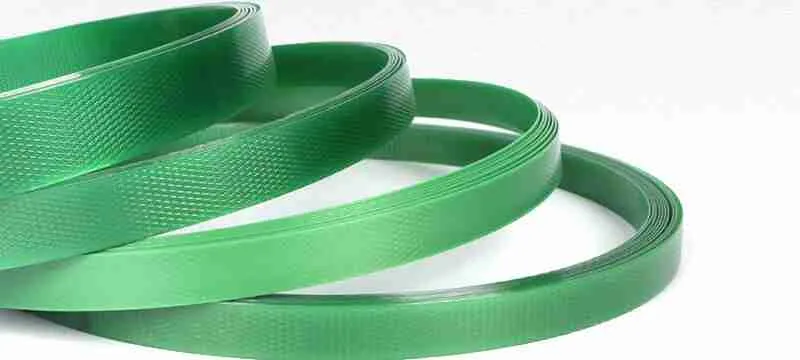
Advantages of PET Strap Packaging in the Automotive Industry
High Strength & Shock Absorption
-
High tensile strength for heavy automotive loads
-
Absorbs vibration and impact better than steel
Safety & Handling
-
No sharp edges, reducing operator injuries
-
Safer for painted, coated, and machined components
Corrosion & Weather Resistance
-
Rust-free and non-corrosive
-
Suitable for export and long-term storage
Cost & Operational Efficiency
-
Lightweight, reducing freight costs
-
Faster application and removal
-
Lower lifecycle cost compared to steel strapping
Disadvantages of PET Strap Packaging
-
Requires strapping tools or machines
-
Not suitable for extremely high-temperature environments
-
Higher cost than PP straps
Despite these limitations, PET straps are widely adopted in automotive packaging due to their strength, safety, and reliability. Click Here To View Product.
Automotive Products Best Suited for PET Strap Packaging
-
Engine and transmission components
-
Suspension and chassis parts
-
Automotive electrical and EV components
-
Body panels and fabricated assemblies
-
Aftermarket automotive parts
Best Practices for Using PET Strap Packaging in the Automotive Industry
-
Use certified, high-quality PET straps
-
Select strap dimensions based on accurate load calculations
-
Use edge protectors for sharp or finished surfaces
-
Apply correct tension to prevent deformation
-
Combine PET straps with pallets, crates, or protective packaging. Click Here To View Product.
Summary: Why PET Strap Packaging Matters in Automotive Industry Packaging
In the automotive industry, where efficiency, safety, and component protection are critical, PET Strap Packaging plays a vital role in securing parts throughout the supply chain.
Its high strength, shock absorption, corrosion resistance, and improved handling safety make PET strapping a preferred alternative to steel for automotive applications. Although it requires proper tools and planning, the long-term benefits—reduced damage, improved logistics efficiency, and lower costs—make PET Strap Packaging an essential solution for modern automotive packaging systems.