What Is the Use of Stretch Film in the Agriculture Industry?
In the Agriculture Industry, Stretch Film is widely used to secure, bundle, and protect agricultural products, equipment, and supplies during storage, handling, and transportation. It helps safeguard goods from dust, moisture, dirt, and movement-related damage, ensuring safe delivery from farms to warehouses, markets, and processing units.
Agricultural operations involve products such as produce crates, fertilizers, seeds, irrigation components, farm tools, and machinery parts. Stretch Film provides tight load stability while maintaining cleanliness and protection, even in challenging outdoor and rural environments.
Click Here For More Product.
Key Uses of Stretch Film in the Agriculture Industry
-
Secure palletized fruits, vegetables, and produce crates
-
Bundle agricultural supplies such as seeds and fertilizers
-
Protect farm equipment and tools from dust and moisture
-
Prevent load shifting during transport on uneven roads
-
Improve handling efficiency in warehouses and distribution centers
Why Stretch Film Is Used in the Agriculture Industry
The agriculture industry handles products that are:
-
Exposed to dust, moisture, and outdoor conditions
-
Transported over long distances
-
Packed in crates, cartons, or sacks
-
Handled frequently during harvesting and distribution
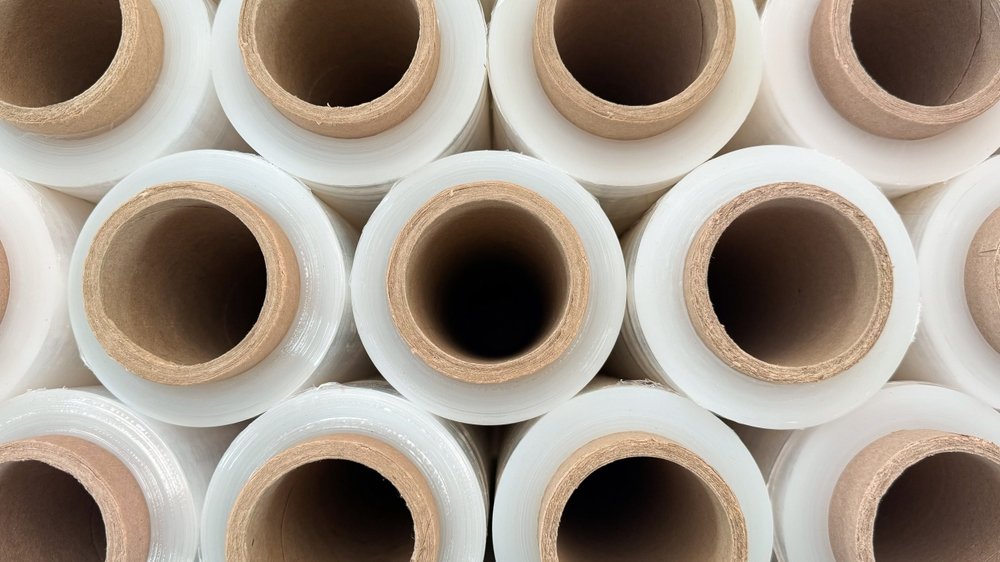
Stretch Film is preferred because it is strong, flexible, lightweight, cost-effective, and easy to apply, making it ideal for farm logistics, cold storage, wholesale markets, and agricultural warehouses. Click Here To View Product.
Step-by-Step: How Stretch Film Works in the Agriculture Industry
Step 1: Load Preparation
Agricultural products or supplies are packed into crates, cartons, or sacks and stacked on pallets.
Step 2: Stretch Film Application
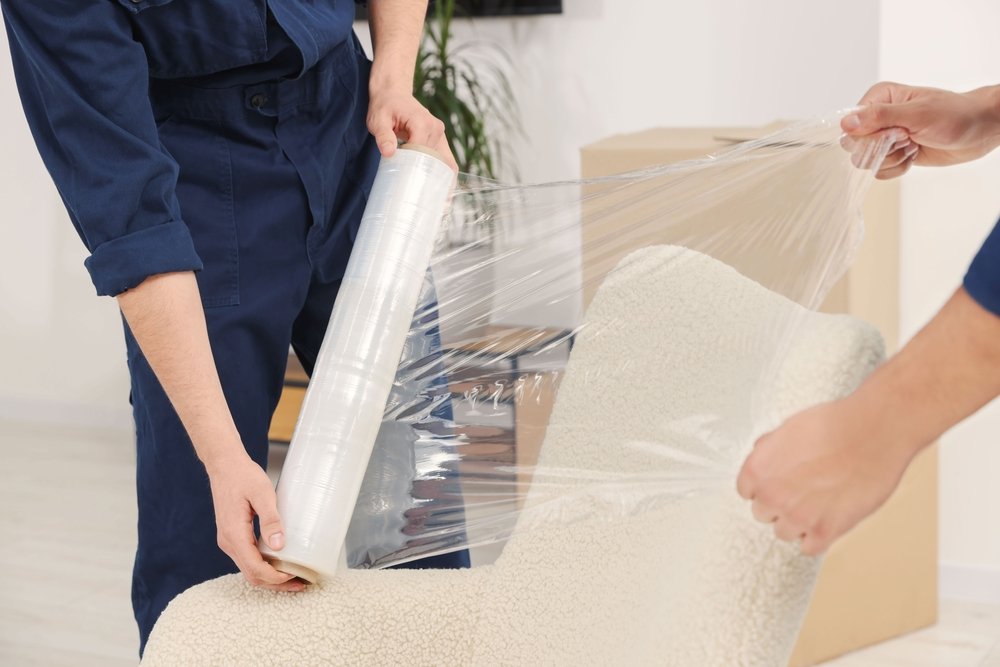
Stretch film is wrapped around the load manually or using pallet wrapping machines.
Step 3: Load Stabilization
The film stretches and clings tightly, holding items together and preventing movement.
Step 4: Storage
Wrapped pallets are stored safely in warehouses, cold storage units, or farm facilities.
Step 5: Transportation
Stretch Film ensures secure transport to markets, distributors, and processing units. Click Here To View Product.
Advantages of Stretch Film in the Agriculture Industry
Load Stability & Protection
-
Prevents shifting and collapse during transport
-
Protects packaging from dust and moisture
Operational Efficiency
-
Quick and easy application
-
Reduces product handling time
-
Improves logistics efficiency
Cost Effectiveness
-
Lightweight and economical
-
Reduces need for additional outer packaging
Versatility
-
Suitable for fresh produce, dry goods, and equipment
-
Works with irregularly shaped loads

Disadvantages of Stretch Film
-
Does not provide cushioning against impact
-
Not biodegradable (but recyclable)
-
Requires correct wrapping for optimal performance
These limitations are minimal when Stretch Film is combined with crates, cartons, or protective padding. Click Here To View Product.
Products Best Suited for Stretch Film in the Agriculture Industry
-
Fruits and vegetable crates
-
Seed and fertilizer bags
-
Irrigation pipes and components
-
Agricultural tools and spare parts
-
Farm machinery accessories
Best Practices for Using Stretch Film in Agriculture
-
Select the correct film thickness based on load weight
-
Ensure even stacking before wrapping
-
Avoid over-stretching the film
-
Use UV-resistant film for outdoor storage
-
Store wrapped goods in shaded or covered areas when possible Click Here To View Product.
Summary: Why Stretch Film Matters in the Agriculture Industry
In the agriculture industry, where products are exposed to dust, moisture, handling stress, and transport challenges, Stretch Film is an essential packaging solution for load stability, protection, and efficiency.
Its ability to secure goods, reduce damage, improve handling, and lower logistics costs makes it invaluable for farmers, distributors, cold storage facilities, and agricultural supply chains. While it does not replace rigid packaging or cushioning, stretch film remains a reliable and cost-effective solution for modern agricultural logistics.